Korean webtoons are made in a series of stages: a script, a storyboard that plans the vertical layout, rough sketches, clean line art, flat colours, shading and lighting, backgrounds, and finally lettering and speech bubbles. Each episode is then cut into one long strip designed to be scrolled on a phone. This guide from Toonily walks through how webtoons are made, why the vertical format changes the way artists work, and how weekly schedules shape the stories you read.
Key Takeaways
- An episode moves from script to storyboard, sketch, line art, colour, backgrounds and lettering.
- The storyboard is where vertical pacing is decided, including the space between panels.
- Many series are produced by small teams, with assistants handling colour or backgrounds.
- Weekly serialisation means creators work to a buffer of finished episodes.
- Lettering is done last, which is why translated editions can be re-lettered without redrawing.
Step 1: The Story and Script
Every webtoon starts with a premise, a cast and a plan for how the first season will unfold. From that, the writer drafts a script for each episode, describing what happens in each scene and what every character says. Some series are original; others are adapted from web novels, which already supply the plot and must be reshaped into visual scenes.
Because webtoons are released in instalments, each script has to do two jobs: move the story forward and end on a moment strong enough to bring readers back next week.
Step 2: Storyboarding the Vertical Layout
The storyboard is a rough plan of the whole episode, sometimes called thumbnails. It sets the order of panels, their sizes, the camera angles and where dialogue will sit. For a vertical webtoon, it also decides the most distinctive element of the format: the empty space between panels.
In print, a page has fixed edges. Online, the page can be as long as the artist wants, a freedom Korea.net describes as turning reading into one long, unbroken scroll. Storyboarders use that space as time. A short gap keeps a conversation quick; a long stretch of blank or dark space builds suspense before a reveal.
Step 3: Sketches and Line Art
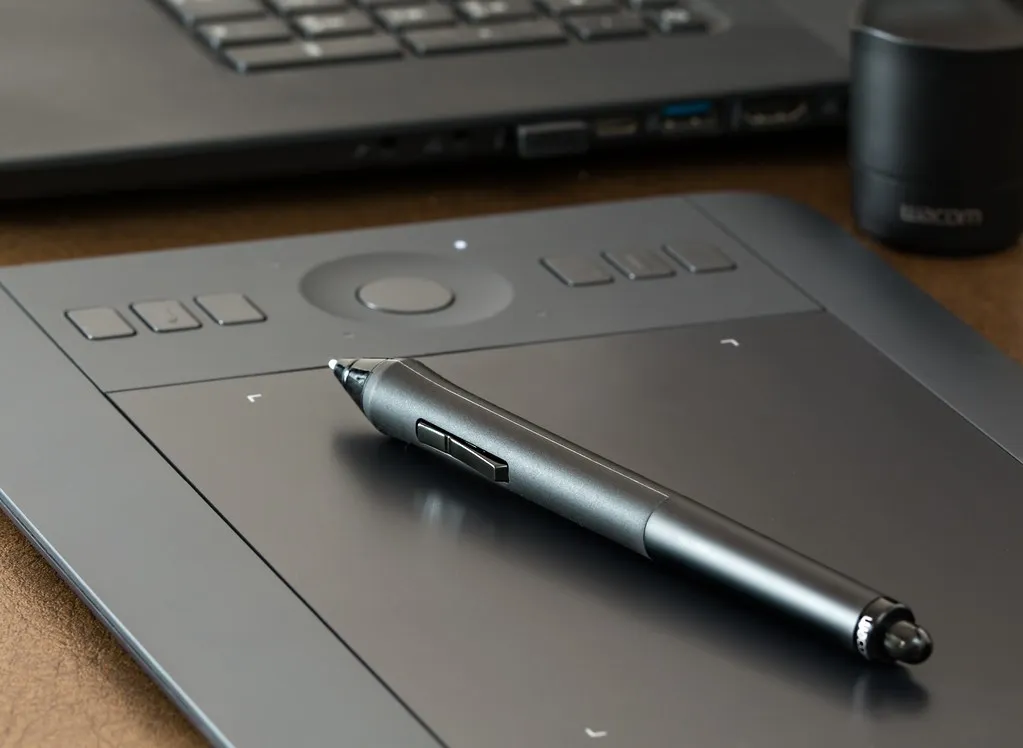
Next comes the sketch, a looser drawing that fixes poses, expressions and composition. Once the sketch works, the artist draws clean line art over it. Most webtoon art today is produced digitally on a drawing tablet, which makes it easy to adjust a panel, reuse a character pose or resize an image for the strip.
Line weight matters more than it might seem. Phone screens are small, so faces and key actions need to read clearly at a glance, even when a reader is scrolling quickly.
Step 4: Flat Colours, Shading and Lighting
Unlike most traditional manga, which is printed in black and white, Korean webtoons are usually in full colour. Colouring happens in layers:
- Flats: each area of a character or object is filled with a single base colour.
- Shading: shadows are added to give form and depth.
- Lighting and effects: highlights, glows and colour adjustments set the mood of the scene.
Keeping these on separate layers lets the team change a scene’s lighting or a costume colour without redrawing anything.
Step 5: Backgrounds
Backgrounds place the characters in a world: a classroom, a palace hall, a rain-soaked street. They are time-consuming, so studios often assign them to a dedicated artist. Some creators build backgrounds from 3D models or photo references and paint over them, which helps keep recurring locations consistent across hundreds of episodes.
Step 6: Lettering and Speech Bubbles
Lettering is one of the last steps. Speech bubbles, captions and sound effects are placed so the reader’s eye moves naturally down the strip, usually in the order the lines are spoken. Because text is kept on its own layer, translated editions can be re-lettered in another language without changing the artwork underneath.
Step 7: Exporting the Episode
The finished episode is a single tall image, so it is cut into a sequence of smaller images for publishing. Readers see those pieces stacked in order as one seamless strip, which is exactly how a chapter appears in the vertical reader on Toonily.
Who Does What on a Webtoon Team
Some webtoons are made by one creator doing everything. Many popular series, however, are produced by small teams or studios that split the work.
| Stage | What happens | Who often handles it |
|---|---|---|
| Script | Plot, scenes and dialogue for each episode | Writer |
| Storyboard | Panel order, size, spacing and camera angles | Writer, lead artist or storyboarder |
| Sketch and line art | Poses, expressions and clean outlines | Lead artist |
| Colour | Flats, shading and lighting | Lead artist or colour assistants |
| Backgrounds | Locations and settings | Background artist |
| Lettering | Speech bubbles, captions and sound effects | Letterer or lead artist |
Weekly Serialisation and Seasons
Webtoons are serialised, and many long-running series publish once or twice a week. To keep that pace, creators try to work several episodes ahead, building a buffer for weeks when production runs slow. When the buffer runs out or a story arc ends, a series may take a planned season break or an unplanned hiatus.
That schedule shapes the stories themselves. Episodes are built to end on a hook, arcs are planned to fit a season, and the opening chapters must grab readers quickly. Our glossary of webtoon reading terms explains hiatus, seasons and side stories in more detail.
Reading with the Process in Mind
Knowing how webtoons are made changes how you read them. Notice how a long gap slows you down before a twist, or how colour shifts when a flashback begins. Japanese manga in the library, such as Deadlock, were planned for printed pages instead, and our explainer on manhwa vs manga vs manhua covers how those formats differ. More explainers sit in the Manhwa Guides section, with reading tips on the Blog. Then read manhwa on Toonily and look at the panels with fresh eyes.
Webtoon Production FAQ
How long does it take to make one episode?
It varies widely. A simple episode by an experienced team may come together within a week, while a detailed action episode drawn by one person can take much longer. Art style, panel count, colour complexity and the size of the team all matter, which is why release schedules differ so much between series.
Do webtoon artists still draw on paper?
A few artists sketch ideas on paper, but most webtoon production is digital from storyboard to final export. Digital tools make it easier to work in colour, keep elements on separate layers, reuse character designs and cut the finished strip into images. Paper sketches, when used, are usually scanned and finished on a tablet.
Why does the text sometimes look different in translated editions?
Each language edition is re-lettered, so the font, bubble shapes and sound effects are chosen by the team producing that version. Some translations keep the original sound effects and add a small translation beside them, while others redraw them entirely. The artwork underneath normally stays the same as the original release.